
Audit the touchpoints
Identify how customers, staff, vehicles and deliveries approach and use the site.
Durable identification, safety and directional signage for Auckland industrial sites.
SignSpot helps with long-distance visibility, delivery guidance, site safety and reliable materials for demanding environments. Projects can cover one immediate sign or a coordinated set of customer, staff and operational touchpoints.
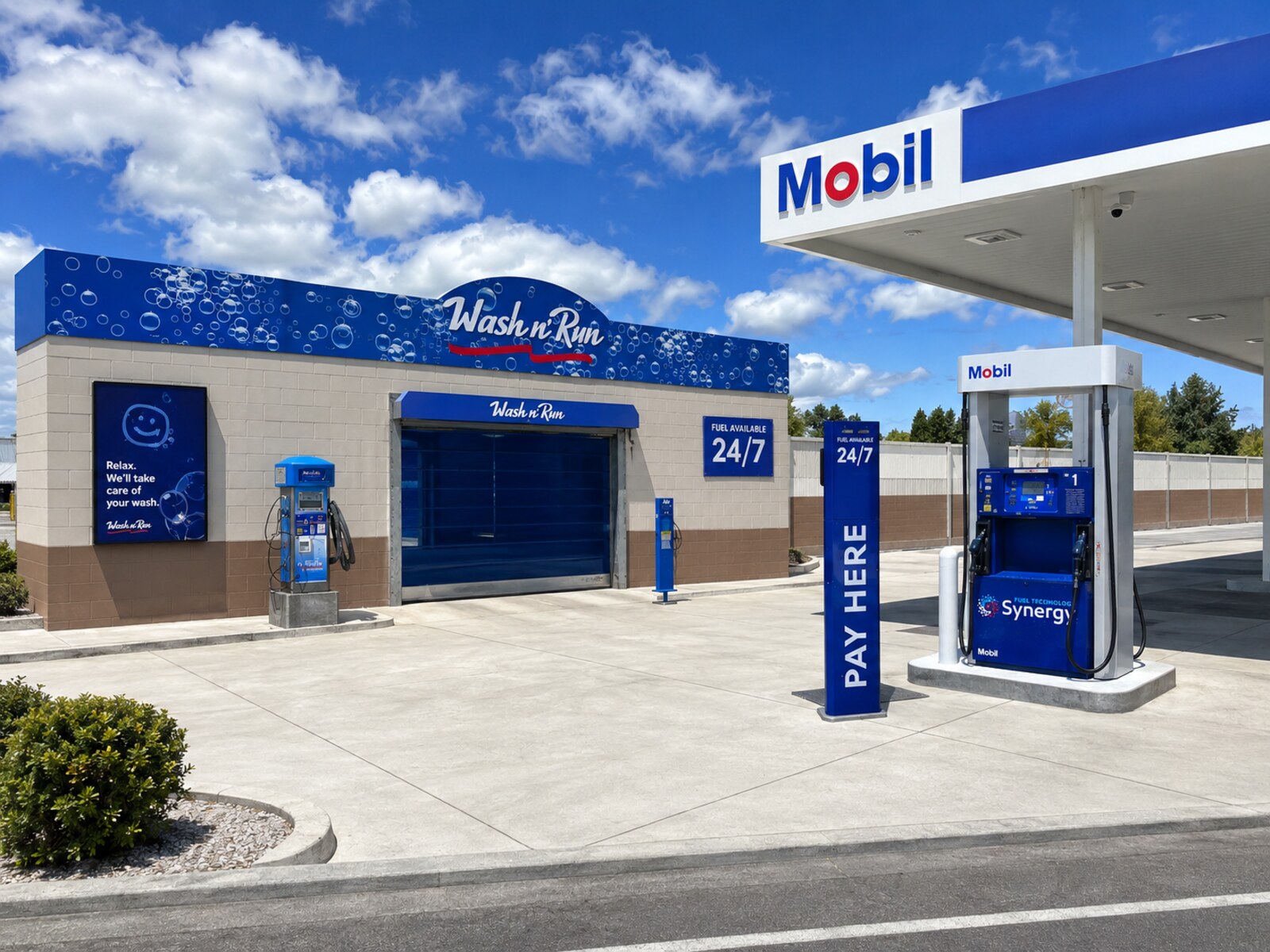
Typical requirements include building signs, pylon panels, truck and fleet graphics, loading-bay labels, directional signs, safety notices and reception branding. The right mix depends on the property, viewing distance, workflow, customer journey and expected life of each item.
Map the driver and visitor journey before designing. Street identification, gate directions and building-level information should work as one system.
Identify how customers, staff, vehicles and deliveries approach and use the site.
Separate essential identification and navigation from promotional opportunities.
Confirm artwork, materials, quantities, access and installation requirements.
Coordinate production and complete the rollout in a practical sequence.
A simple signage schedule can record the wording, dimensions, material, fixing method and status of every item. This is especially useful for property groups, fleets, staged openings and multi-site businesses.
SignSpot considers contrast, letter size, lighting, weather, cleaning, surface condition and replacement needs. Exterior identification often needs bold scale and durable construction, while close-view interior signs can use finer detail and premium finishes.
Send brand files, site photographs, measurements, deadlines and any operational constraints. An artwork proof and practical specification are confirmed before production.
Yes. SignSpot can coordinate exterior, interior, vehicle and promotional signs as one practical project.
Yes. Supply current logo files, colours, type guidance and any site or landlord requirements before design begins.
Yes. Installation can be planned around access, trading hours, vehicles, site inductions and other practical requirements.
COMPLETED PREMISES SIGNAGE
Explore SignSpot projects for businesses in this industry.

RELEVANT SIGNSPOT PREMISES PROJECT
Applying BPW’s established corporate identity to a relocated premises, the entrance plinth separates business identification from practical entry, office and parts-sales information.

RELEVANT SIGNSPOT PREMISES PROJECT
Containers offer a large surface for industrial business identification. Solmech’s design uses scale and contrast to place the company name across the corrugated side.
Share the site, vehicles, timing and priorities. SignSpot will recommend a practical route forward.
Get a Free QuoteAt a warehouse or industrial property, the main identity and the route to the correct destination are separate design problems. A prominent company sign may not explain where a delivery or visitor should go. Record the approach, gates and relevant entrances, then organise the sign schedule around those decision points. Height, support condition and access can affect installation. Safety and traffic instructions need approval from the responsible operator; a branding project is not a substitute for a site-specific assessment.
Photograph the approach and each destination. Supply approved directional wording, mounting details and access constraints, including which areas must remain operational.
Give each proposed sign a reference, location, approximate size and purpose. Add a photograph wide enough to show the setting and a closer image of the surface. Mark whether the sign is new, a replacement or an update to something that will remain. This makes it easier to discuss a complete scope instead of comparing quotations that include different work.
Provide the final business name, contact details and wording, together with the best available logo files. Identify who can approve the design and whether brand guidelines apply. If several people need to review the proof, gather their feedback into one agreed response. Check spelling, numbers, dimensions and the relationship between signs before approving production. A proof is also the point to resolve omissions, not only colour preferences.
Explain whether old signs or graphics need removal, whether the proposed surface is sound and who is arranging any preparation. Access equipment, property permission and coordination with other work may affect the quotation. Do not assume that a photograph establishes everything about the substrate or fixing arrangement. Where an inspection or measurement is needed, agree that step before treating a preliminary proposal as a final specification.
Ask which parts of the message are likely to change and keep a record of the approved artwork. Future additions should refer to the original design files and actual materials rather than a low-resolution screenshot. Cleaning and care depend on the supplied product and installation, so confirm the relevant guidance at handover. If a sign is damaged, send photographs before attempting a repair that could affect surrounding surfaces.
You do not need to solve every production question before contacting SignSpot. Start with the purpose, quantities, photographs, rough measurements and any target date. State what is fixed and what is open to advice. We can then discuss the design, supply and installation scope, with price and timing confirmed for that work rather than inferred from another client’s project.
Explore signage design support · Read the pricing and planning guide · Send your brief